Skip to content
← Back to home

Projects and solutions

Large systems, applied AI, independent products and Web3. These stories explain where each project began, the decisions it required and the outcome the work reached.

Processes · CRM/ERP · Large-scale automation

From spreadsheets to a system the business runs on

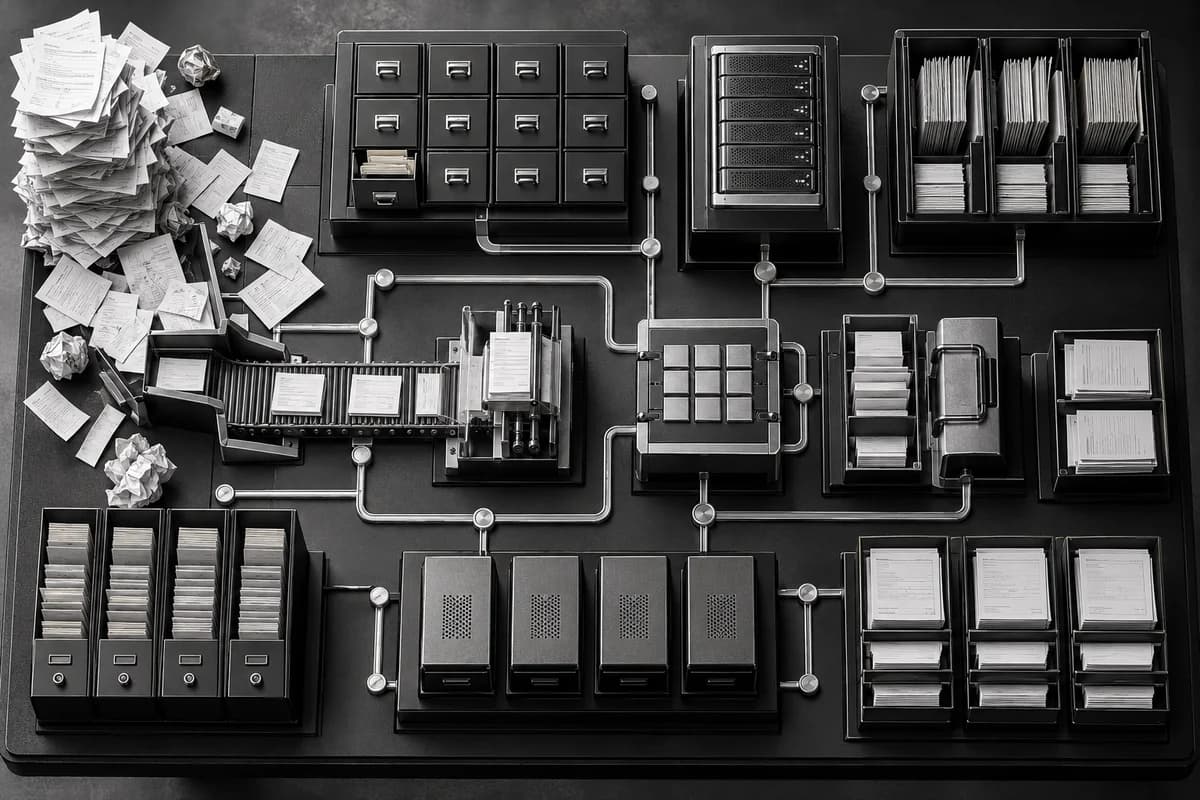
Much of the work relied on people, Excel and disconnected tools. Before connecting separate operations into a system, we needed to understand which steps to change or remove. I began with discovery: learning the domain, examining processes with the client and shaping product decisions.

We built CRM/ERP capabilities, web services for different audiences, custom modules and microservices, alongside recognition and machine-learning solutions. The system had to handle everyday work as well as peak volumes of requests and workflows.

I led the work from discovery through implementation, collaborating directly with the client and coordinating the team. Separate tools became a modern system, and many tasks that had required substantial manual involvement became automated and considerably faster.
  • Manual processes
  • CRM, ERP and modules
  • Automated operations

Architecture · High loads · Long-term development

Modernising a complex platform while it stays in use

The client already had automation, but it relied on an earlier generation of technology and working practices. The domain kept changing, while the platform served different audiences and contained extensive logic. We progressively modernised its existing services and processes.

We moved functions to the web, updated CRM/ERP capabilities and developed high-load services. Analytics, dashboards and reports that an entire team had assembled by hand became automated. New functionality evolved through implementation, feedback and improvements.

I combined the roles of developer, architect, project lead and the client's main point of contact. New requirements and long-term support remained part of the work after launch. The result was updated services and automation of many manual tasks.

  • Legislation database
  • CRM and web services
  • Reports and analytics

Medical imaging · 3D · Applied AI

CT, MRI and AI: tools for working with medical images

We needed to create tools for doctors and explore machine learning for medical images. Model selection had to account for available data and limited computing resources, then connect that research to a working tool.

We developed CT and MRI viewers, a 3D editor and data-analysis tools, and investigated tumour detection and scoring. I studied training approaches, compared models and shaped technical solutions. Much of the work brought together programming, mathematics and data analysis.

We completed and implemented the agreed scope. To my knowledge, the work remains in use and the client's internal team continues to develop the system.

Independent product · Founder · Generative AI

Fotelier: from model research to a product and a new way to operate

I founded Fotelier to turn model research into an accessible photo product. Restoration was a particular interest: how could it become fast and affordable for people who previously found it too complicated?

I assembled the team, researched image and video generation and editing, trained models on different datasets and designed processing pipelines. Each solution had to be assessed both for its image results and for the time and resources it needed in a real product.

Fotelier reached a working product and continues to evolve. We are now moving towards operating without a permanent team: AI takes on tasks in development, support, research, social media and other processes. As founder, I lead product decisions and research, while we verify autonomy in practice.

Fotelier: from model research to a product and a new way to operate

Model research · Personalisation · Working prototype

Simume.AI

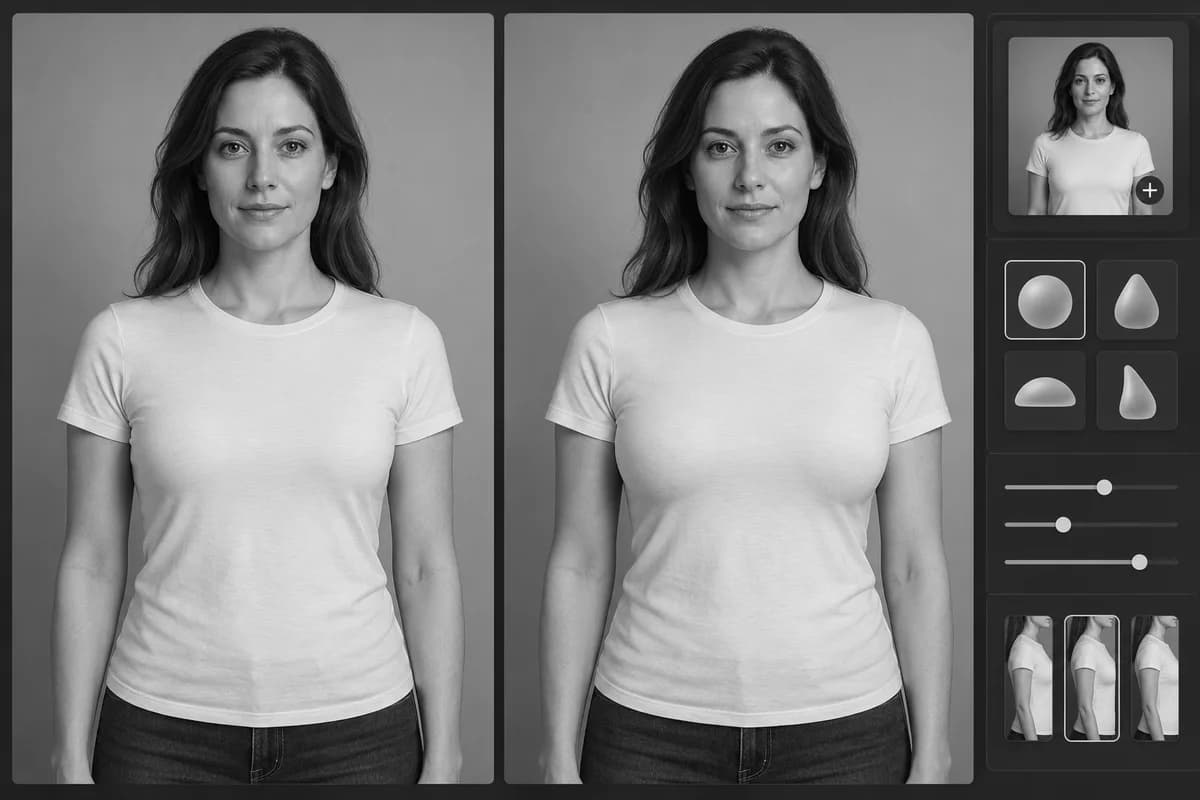
Could someone see a possible change to their appearance in their own photograph within seconds? In Simume.AI, I personally built a breast-implant visualisation prototype based on an image and selected parameters.

Users upload a photograph, clothed or topless, and choose the manufacturer, volume, shape and other characteristics. Behind the simple experience were dataset collection and annotation, repeated training iterations and comparisons between image-processing models.

We reached a working prototype, began discussions with prospective clients and prepared for fundraising. The system produces a visualisation for discussing possible changes; it is not a validated prediction of a surgical outcome.

Web3 · NFT membership · Around $1M raised

A DAO club: NFTs as participation and investment infrastructure

Context. The club wanted to make investment decisions collectively: participants join a DAO, discuss opportunities and vote, with access and participation terms represented by NFTs. It needed technical infrastructure that reflected those rules.

The mechanics. Membership was organised through several NFT collections. Each successive collection cost more than the previous one, and its terms defined a participant's share in the distribution of results. Funds raised were allocated to tokens, NFTs and real businesses through the council's decisions and DAO voting.

The solution. We developed the club's crypto infrastructure, including NFT issuance and technical implementation of participation rules. The product idea needed to become clear development requirements and technical choices that could be supported after launch.

My role. Development leadership, requirements gathering, technical consulting and support. The club made its own investment decisions through its governance mechanisms.

The outcome. The project launched. According to approximate project figures, around $1 million was raised from participants through NFT membership. The club is now gradually winding down; the case reflects my experience implementing and supporting Web3 mechanics.

Corporate learning · HR integration · Project leadership

Bank employee learning: from offline sessions to one digital process

Context. Employee training took place offline. Materials, testing and the handling of results needed a more systematic approach: course preparation, the learning experience and HR's work had to connect within one process.

The solution. We built a platform for preparing and publishing learning materials, assigning and completing tests, and reviewing results and scores. We added organisational structure, analytics and recommendations for HR, and integrated the system with the bank's HR environment.

Understanding how learning worked within the organisation was an important part of the project. Different participants' needs had to become requirements that developers, analysts, designers and technical writers could work with.

My role. I led the project and its multidisciplinary team, learned the domain directly and worked with the client. My involvement covered the full cycle, from initial discussions and agreed solutions to project completion and the relationship afterwards.

The outcome. Learning moved from offline sessions into a digital format. Material preparation, courses, testing, assessment and HR analytics became parts of one system.

Investment platform · Transactions · Consulting

Business investment: from initial interest to a completed deal

Context. The platform needed to help businesses present projects for investment and help investors move from initial interest to formal participation. Publishing project listings was only one part of it: documents and the sequence of actions for both parties needed to be designed as well.

The solution. We created a platform for publishing business projects and collecting expressions of interest from investors. We prepared presentation materials, worked on the legal framework and designed the journey from an application to a notary appointment to complete the deal.

The connection between the interface and the process beyond it mattered here. Some steps happen on the site, others in conversations and documents. Requirements needed to account for that whole journey so the product could support an actual transaction.

My role. Consultant and contractor: analysing requirements, assembling the team and helping shape solutions. I connected the platform's concept with what it needed to launch.

The outcome. The platform launched and real deals went through it. Its rights were subsequently transferred. It is an example of development that is closely tied to coordinating the parties and completing the process outside the interface.

Education startup · Web · Mobile app

A learning platform: courses, competitions and 25,000 users

Context. We were creating a commercial platform for school students, with courses, video materials and competitions. We needed to build both the product and the work around it, from preparing educational content to attracting an audience.

The solution. Students registered, studied and participated in competitions on the platform. We brought in teachers to prepare learning materials and record educational videos, which were also published on YouTube. The best-performing participants received prizes.

My role. I was responsible for platform development, testing and creating the mobile app. Software development ran alongside the growth of content and audience; it had to support how people discovered the product and learned through it.

The outcome. Within a year, the platform reached approximately 25,000 users and its social-media audience reached about 150,000 people. The project gave me experience launching a product where development, learning materials and audience growth happen together.

Web3 · Game mechanics · Tokenomics

An NFT game where the mechanics do the work

The idea. We designed a game in which NFT ownership shaped participants' behaviour. Selling provided a way to exit; patience offered a chance to remain in contention for a share of the pool. The experience was built around how the collection circulated.

The mechanics. Sales proceeds funded NFT buybacks and burning, gradually reducing the number in circulation. We designed the tokenomics, fees and distribution rules. The core experience ran through NFT transactions and smart contracts, without building a separate game application.

My role. Product mechanics, tokenomics and the relationship between the rules and participants' decisions. What interests me about this project is how much the design of the system itself could achieve.

The outcome. We launched the game and sold around half the supply. The organisers later decided to close the project and bought back NFTs from the remaining participants. That concluded a product experiment built around tokenomics and participants’ behaviour.

iPad · Visualisation · Sales tool

A bathroom from the catalogue, on an iPad

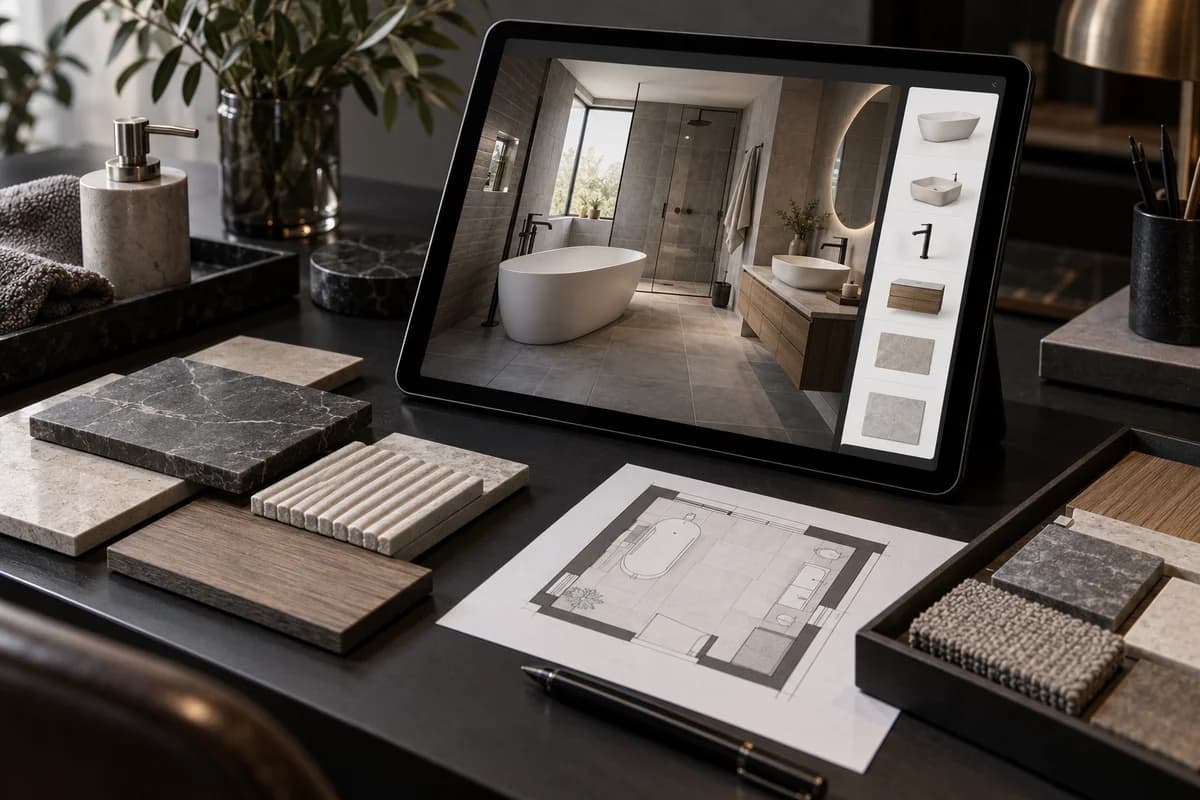
Context. A furniture and sanitaryware manufacturer wanted sellers and franchisees to have a tool for showing customers a future bathroom. Instead of discussing individual products, they could show how those products worked together in a room.

The solution. In 2015, we built an iPad app for arranging a bathroom using the manufacturer's materials and products, including tiles, basins, baths and other elements. The idea was to make visualisation part of the purchase conversation within the seller's everyday work.

The outcome. The app was deployed and used for a time by the manufacturer and its franchisees. It was an early experience building a visual sales tool, when these kinds of tablet experiences were still becoming familiar.

Discuss your project

Suggest a time to talk

The initial assessment is free.